How Dental Implants Work: A Step-by-Step Guide
Losing a tooth can affect the way you eat, speak, and smile. Dental implants are one of the most reliable ways to replace a missing tooth with something that looks, feels, and functions like a natural one. If you are researching implants before your first consultation, here is a clear breakdown of how the process works from start to finish.
What Is a Dental Implant?
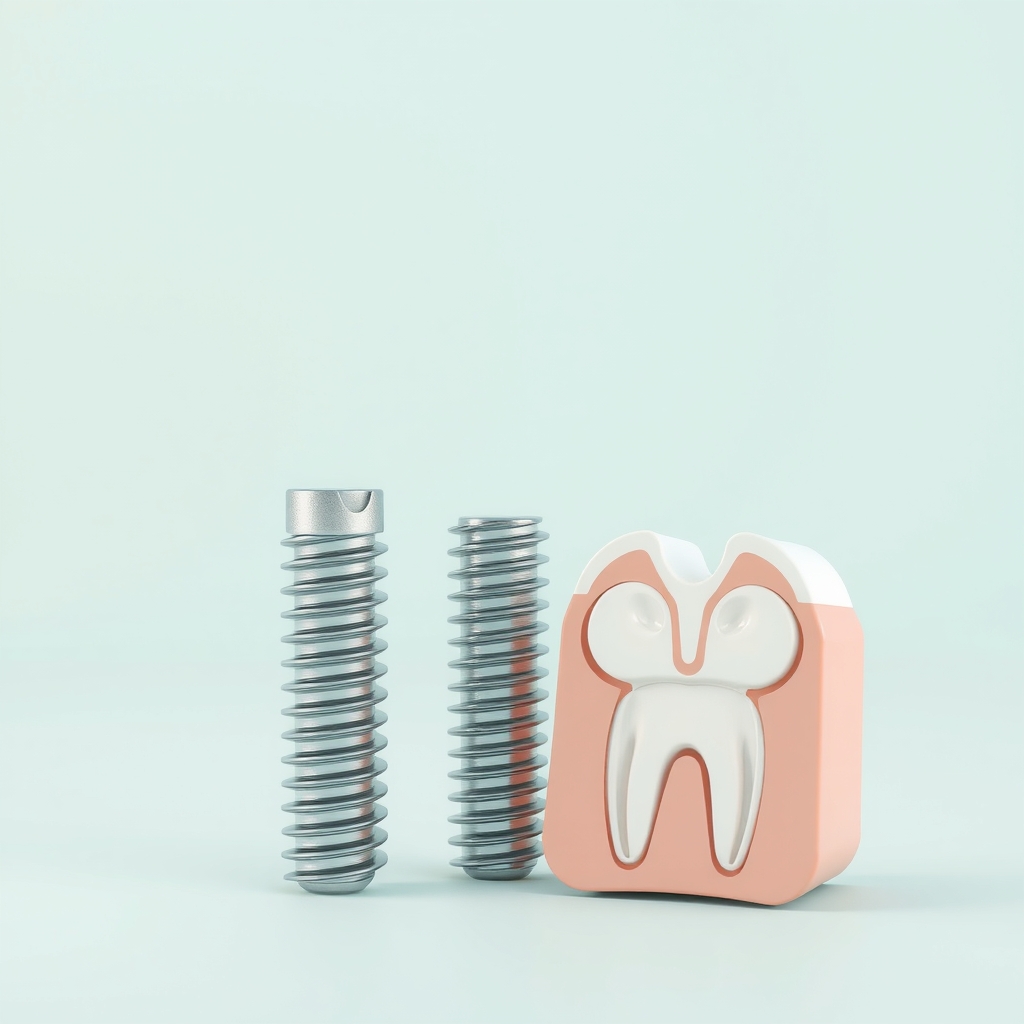
A dental implant is a small titanium post that is placed into the jawbone to act as an artificial tooth root. Once it fuses with the bone, a custom-made crown is attached on top, giving you a replacement tooth that is stable and designed to blend with your natural teeth.
Who Is a Good Candidate for Dental Implants?
Implants are suitable for most adults with one or more missing teeth, but a few factors help determine candidacy:
- Sufficient jawbone density to support the implant, or willingness to consider a bone graft if needed
- Healthy gums, free from active periodontal disease
- Good general health, since certain uncontrolled conditions like diabetes can affect healing
- Non-smokers or those willing to reduce smoking, as it can slow healing
- Commitment to good oral hygiene and regular dental checkups
Your dentist will review your dental and medical history, along with X-rays or a scan, to confirm whether implants are the right choice for you.
Step-by-Step: How the Implant Process Works
1. Initial Consultation and Planning
The process begins with an examination, X-rays, and sometimes a 3D scan to assess bone structure and plan the exact position of the implant. This step helps avoid surprises later and ensures the implant is placed accurately.
2. Implant Placement Surgery
The titanium implant is placed into the jawbone under local anaesthesia. This is a minor surgical procedure done in a dental chair setting. Most patients go home the same day with aftercare instructions.
3. Healing and Osseointegration
Over the following weeks to months, the implant gradually fuses with the surrounding bone in a process called osseointegration. This step is essential because it creates a stable foundation for the final tooth. Healing time differs from person to person depending on bone quality and overall health.
4. Placing the Abutment
Once healing is confirmed, a small connector piece called an abutment is attached to the implant. This acts as the link between the implant and the crown.
5. Fitting the Final Crown
A custom crown, matched to the shape and shade of your natural teeth, is then fixed onto the abutment. This completes the restoration and restores both function and appearance.
| Stage | What Happens | Approximate Duration |
|---|---|---|
| Consultation | Examination, scans, treatment planning | 1 visit |
| Surgery | Implant placed into jawbone | 1 visit |
| Healing | Osseointegration with bone | 2 to 6 months |
| Restoration | Abutment and crown placement | 1 to 2 visits |
Caring for Your Implant After Placement
Dental implants need the same care as natural teeth. Brushing twice daily, flossing, and routine dental visits help keep the implant and surrounding gums healthy. Avoiding hard foods immediately after surgery and following your dentist's aftercare guidance supports smoother healing.
Why Patients Choose Implants Over Other Options
Unlike removable dentures, implants are fixed in place and do not shift while eating or speaking. Compared to a dental bridge, implants do not require altering neighbouring healthy teeth. For many patients in Sohna Road, Sector 49, Gurugram, this makes implants a practical long-term solution for replacing missing teeth.
Getting Started
If you are missing one or more teeth and want to explore whether implants are right for you, a detailed evaluation is the best first step. At OralH Dental Clinic in Sector 49, our team can assess your bone health, gum condition, and overall suitability before recommending a treatment plan tailored to your needs.
Thinking about treatment? Dental implants at OralH Dental Clinic
Questions before you book?
OralH Dental Clinic · Unit 3, First Floor, Ninex City Mart, Sohna Road, Sector 49
Frequently asked questions
Is getting a dental implant painful?
The placement procedure is done under local anaesthesia, so you should not feel pain during the surgery. Mild soreness or swelling for a few days afterward is normal and can usually be managed with the medication your dentist prescribes.
How long does it take for a dental implant to fully heal?
Healing time varies by person, but osseointegration, the process where the implant fuses with the jawbone, typically takes two to six months. Your dentist will monitor progress before placing the final crown.
Can I get an implant if I have lost a tooth years ago?
In many cases yes, though long-term tooth loss can lead to bone loss in the jaw. Your dentist will evaluate your bone density and may suggest a bone graft if additional support is needed.
Are dental implants suitable for older adults?
Age alone is not a barrier. What matters more is overall health, bone quality, and gum condition. Many older adults with good general health are suitable candidates after a proper evaluation.