🦷 Best Dental Clinic on Sohna Road Gurgaon – Complete Guide to Modern Dental Care
Blog Details
Oral Bacteria and Dementia: Exploring the Connection to Brain Health
oralh_admin
April 18, 2025
Dental, Oral, Toothache
Oral Bacteria Linked to Brain Health:
There is a potential link between oral bacteria and brain health, suggesting that the composition of mouth flora could play a crucial role in counteracting dementia. Oral bacteria modulate cognitive skills, including working memory and visual attention.
The research team at the University of Exeter investigated how the complex ecosystem of bacteria in the mouth influences cognitive abilities. Their findings suggest that the oral microbiome, long known to impact overall health, may also have a meaningful effect on brain function, particularly in older adults. This connection highlights the importance of oral hygiene and its potential impact on long-term cognitive well-being.
The Impact of Oral Bacteria on Cognitive Skills
The study focused on how mouth flora modulates cognitive skills such as working memory and visual attention. Researchers analyzed the oral bacteria of 115 individuals over 50 years old, some of whom were already experiencing mild cognitive losses. The results revealed a connection between specific types of bacteria and cognitive performance,suggesting that maintaining a healthy balance of oral bacteria could be vital for cognitive health as we age.
The link between oral bacteria and brain function may seem surprising ,but it aligns with growing scientific understanding. Experts increasingly recognize that harmful microorganisms in the mouth can lead to inflammation, which can, in turn, damage the brain. For example, periodontitis, a severe gum infection, is considered a risk factor for Alzheimer’s dementia, underscoring the importance of maintaining good oral health to mitigate potential cognitive risks.
Beneficial bacteria in the mouth play a crucial role in converting nitrate, abundant in vegetable foods, into nitrogen monoxide. This gaseous messenger substance is vital for nerve cell dialog and is involved in essential neuronal processes. This process highlights the complex interplay between diet, oral health, and cognitive function, suggesting that a diet rich in nitrates could support both oral and cognitive health.
Specific Bacteria and Their Cognitive Impact:
The study identified specific types of bacteria that appear to have either positive or negative effects on cognitive performance. Participants with a high number of bacteria from the genus Neisseria demonstrated better memory and were more adept at solving complex tasks. Conversely, microbes of the Porphyromonas type, which are also key players in the progress of periodontitis, were linked to declining cognitive performance.
These findings suggest that the balance of bacteria in the mouth could be a critical factor in maintaining cognitive health as we age.
Future Implications for Dementia Diagnosis and Treatment
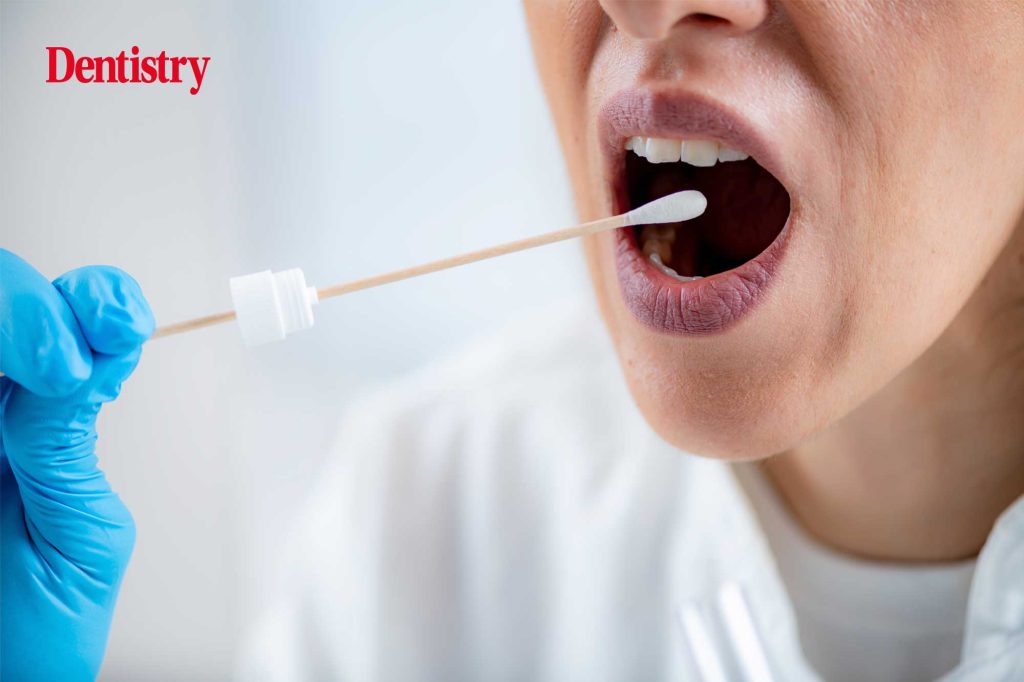
Microbiologist speculates that measuring the microbial profile of the oral flora in patients could become a routine dental test. This would allow for the early detection of potential dementia risks, enabling timely interventions and proactive management of cognitive health
.
dietary changes, probiotics, or improved oral hygiene routines could potentially halt mental degradation.These interventions could offer a proactive approach to maintaining cognitive
health and preventing dementia, emphasizing the importance of a holistic approach to healthcare.
Conclusion
By identifying specific bacteria that influence cognitive skills, researchers have paved the way for innovative diagnostic and therapeutic strategies. Maintaining a healthy oral microbiome may prove to be a crucial step in preventing cognitive decline and promoting overall brain
health, highlighting the interconnectedness of bodily systems and the importance of preventative care.